
FLOW CONTROL / Paper & pulp industries

Paper & pulp industries.

Fibrous stock, process water and reject streams place different demands on a mill valve. Specify the stream and consistency before choosing the body and sealing arrangement.

Discuss your application
Illustrative application context
ILLUSTRATIVE APPLICATION CONTEXT

Different duties.
Different demands.

Pulp and paper mills move fibrous stock, process water and reject streams through very different conditions. Identifying the individual stream, consistency and contamination helps separate stock isolation from clean-water duty and more demanding reject handling before the valve configuration is chosen.

DUTY / 01

Pulp-stock isolation

The dedicated pulp-valve listing is a starting point for a stock-isolation enquiry. Share consistency, fibre and contaminant information together with pressure, temperature and operating frequency so the team can review the body, closure and sealing arrangement for the actual stream.
DUTY / 02

Fibrous or solids-bearing lines

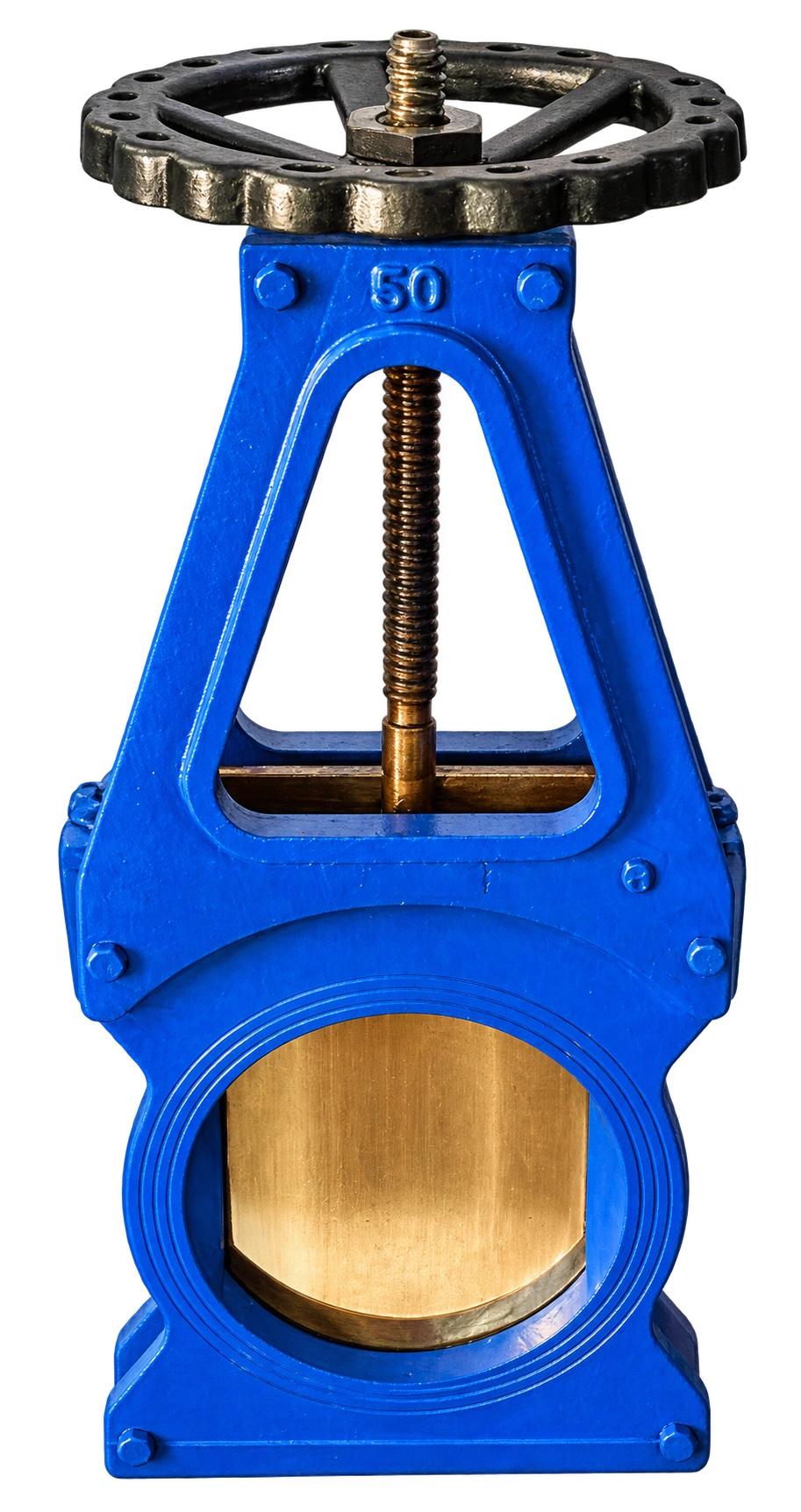
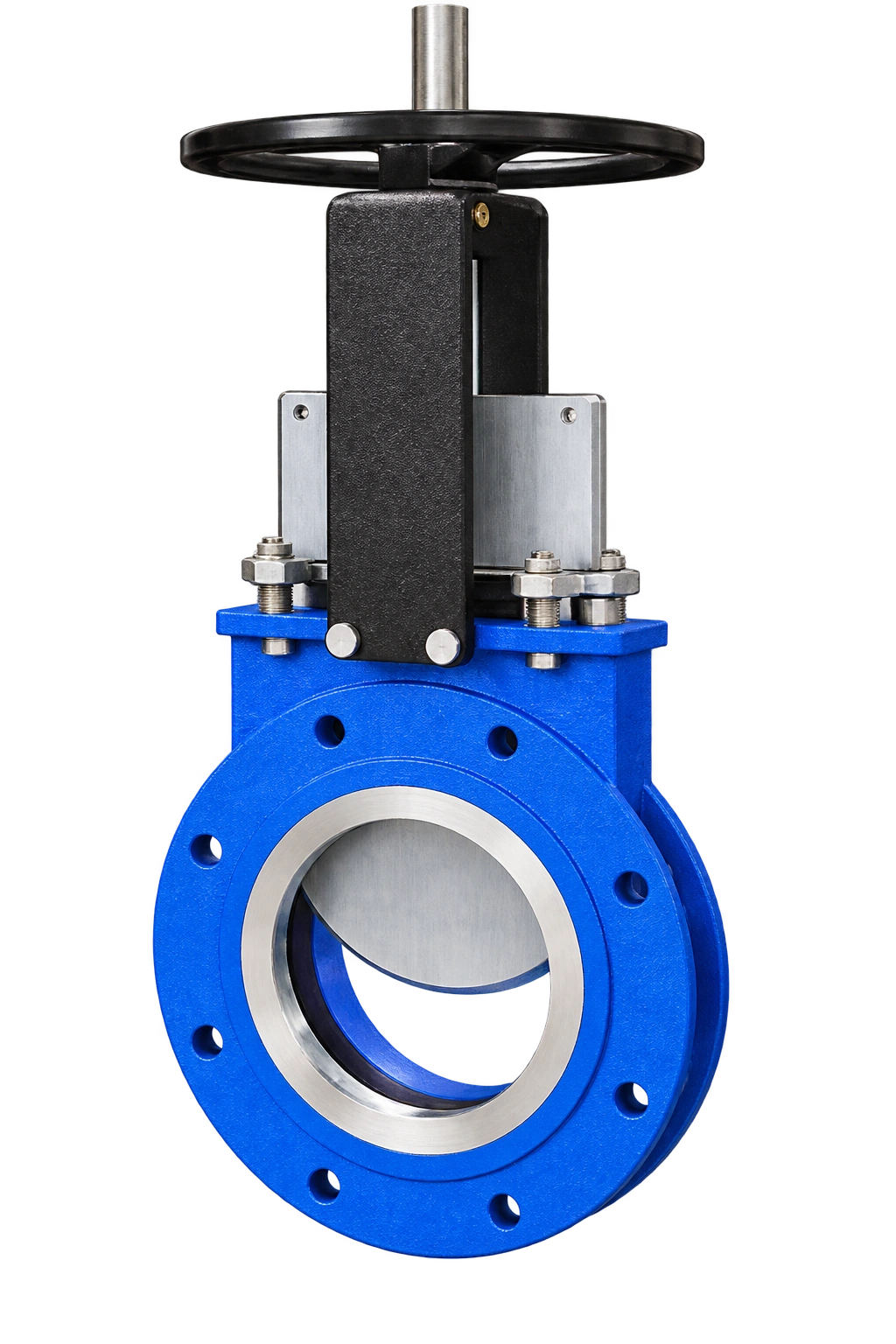
A flanged knife gate can be reviewed where the line contains suspended solids or fibres. Clarify the direction of pressure and any buildup experienced at shutdown; higher-consistency or reject-heavy duties may require a different configuration from a general industrial knife gate.

DUTY / 03

Automated process-water isolation

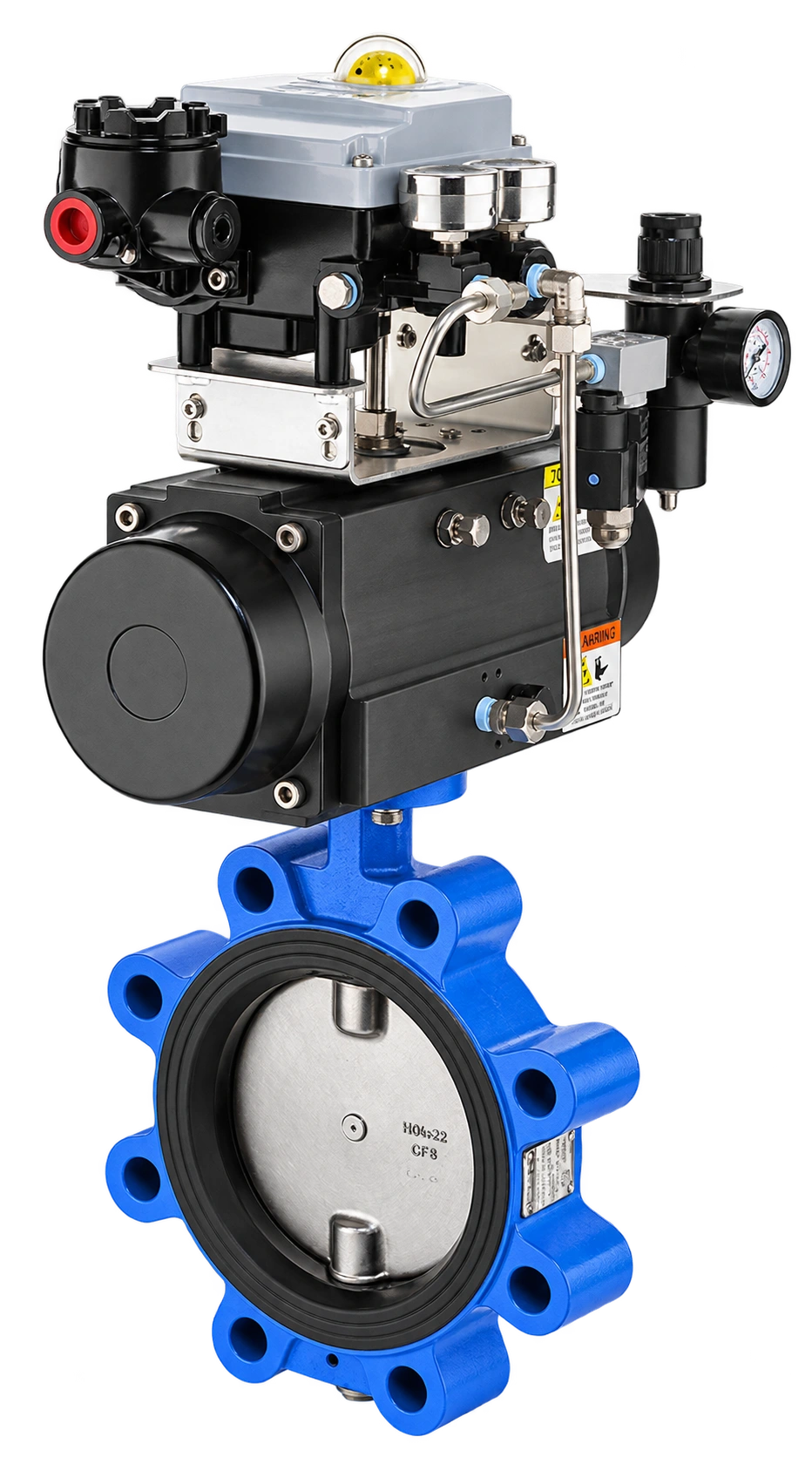
Process-water lines may support a separate butterfly-valve duty from the stock system. Review the pneumatic assembly against water quality, additives, temperature and closing differential pressure, then define the available air, switching sequence and required open/closed indication.

SELECTION / LOOK BEYOND LINE SIZE

What the process
asks of the valve.

01

Consistency can vary by stream

Feed stock and rejects may have different solids concentrations. Give the valve location and both normal and maximum consistency rather than applying a single mill-wide value to every line.

02

Contaminants change the duty

Recycled-stock streams can contain unwanted material as well as fibres. Describe the contaminants and any jamming history so the review covers more than a nominal pulp percentage.

03

Cycles matter to the assembly

A valve used occasionally for maintenance experiences a different operating pattern from one switching frequently. Include cycle frequency, shutdown periods and position-confirmation requirements when discussing the actuator and sealing arrangement.

Materials and operation.
The complete assembly.

Body, trim, seals and actuation need to work together under your service conditions.

Consider the whole stream

Include water chemistry, additives and cleaning conditions alongside fibre and solids information. The body and gate materials, seat and packing must be reviewed as a combination for that service rather than chosen from stock consistency alone.

Review direction and orientation

Specify whether pressure can reverse and show the installed orientation. Confirm the quoted valve's sealing direction and operating clearances, including the space needed for gate travel, actuator movement and future servicing.

Keep reject handling application-specific

Reject and high-consistency duties can require dedicated designs. Ask the team to review the actual stream and available configuration; flushing arrangements, scrapers or specialist sealing features should be confirmed rather than assumed to be supplied.

Explore the valves
behind the application.

Explore these catalogue configurations, compare their specifications and share your operating conditions with our team.

Knife Edge Gate ValvesPV / 001
Pulp Valve Wafer Ends

Explore the catalogue's dedicated pulp valve.

Pulp Valve Wafer Ends

Size Range: 40mm to 600mm Pressure Rating: PN10.

Final selection depends on the complete valve configuration, fluid compatibility and operating duty. Project-specific approvals and limits are confirmed with the quotation.

BEFORE YOU SPECIFY / PRACTICAL ANSWERS

More clarity.
A better next step.

Questions worth discussing for your paper & pulp industries application.

Ask our team
Further technical reading
Why does stock consistency matter when choosing an isolation valve?

Consistency describes part of the solids load, but it should be read with fibre, contaminants and the operating pattern. Those details help the team review passage, closure and sealing requirements rather than selecting only from pipe size.

Can the pulp valve be used for every reject line?

Do not assume so. Reject streams can be more concentrated or contain larger contaminants than the main stock line. Provide the particular stream data and request confirmation of the configuration, including shut-off direction and any specialist features required.

What should we send when replacing a mill valve that keeps jamming?

Send its location, photographs, existing dimensions and material details, plus consistency, contaminants and cycle frequency. Explain whether the problem occurs during closing, startup or prolonged shutdown. An installation sketch and failure description make the enquiry more specific.

Let’s review
your application.

Share the medium, duty, size, connections and operating conditions.

Send the application brief

↑ ↓ to navigate · Enter to open · Esc to close

Company-supplied ISO certificate

Prestige Valves ISO 9001:2015 certificate

Certificate QCC/1902/0725 · issued 2 July 2025 · valid until 1 July 2028.