FLOW CONTROL / HVAC & infrastructure

HVAC & infrastructure.

Building and infrastructure services use isolation and check valves across heating, cooling and water circuits. Access, insulation and connection dimensions are practical selection factors.

Discuss your application
Illustrative application context
ILLUSTRATIVE APPLICATION CONTEXT

Different duties.
Different demands.

Heating, chilled-water and building-service circuits need valves that suit the fluid while remaining practical to install, operate and maintain. Identify the circuit, additives and operating range, then review isolation, non-return and straining as separate functions within the plant-room layout.

DUTY / 01

Heating and chilled-water isolation

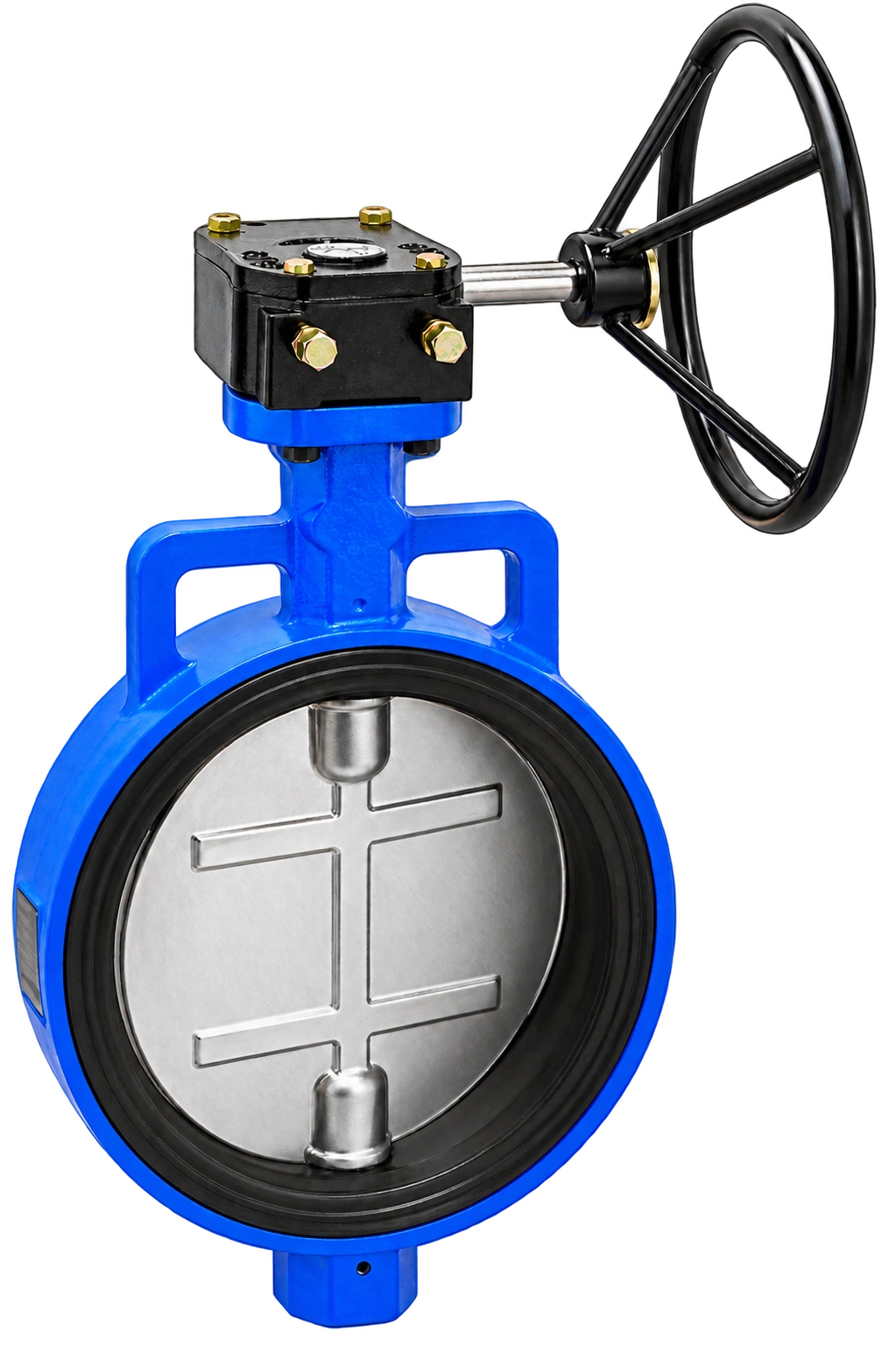
A gear-operated wafer butterfly valve is an option to review for circuit isolation. Confirm seal compatibility with the fluid and additives, flange dimensions and available operating space, including insulation and the ability to reach the gearbox after installation.
DUTY / 02

Equipment and service-line isolation

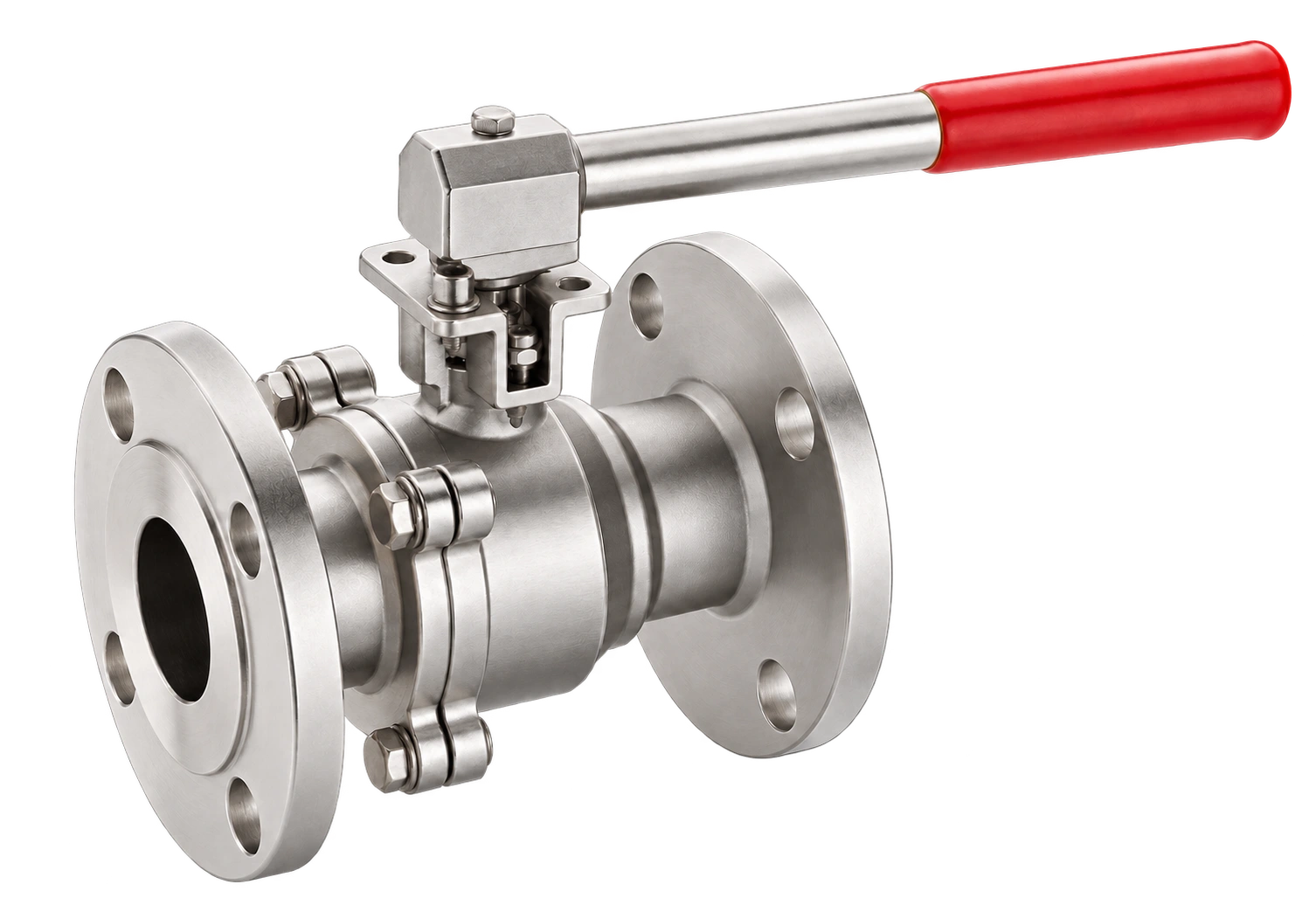
A flanged ball-valve option can be discussed for a compatible utility line. Provide the connection, allowable space, operating limits and access required for servicing the equipment; nominal pipe size should be checked alongside the actual installation dimensions.

DUTY / 03

Debris interception

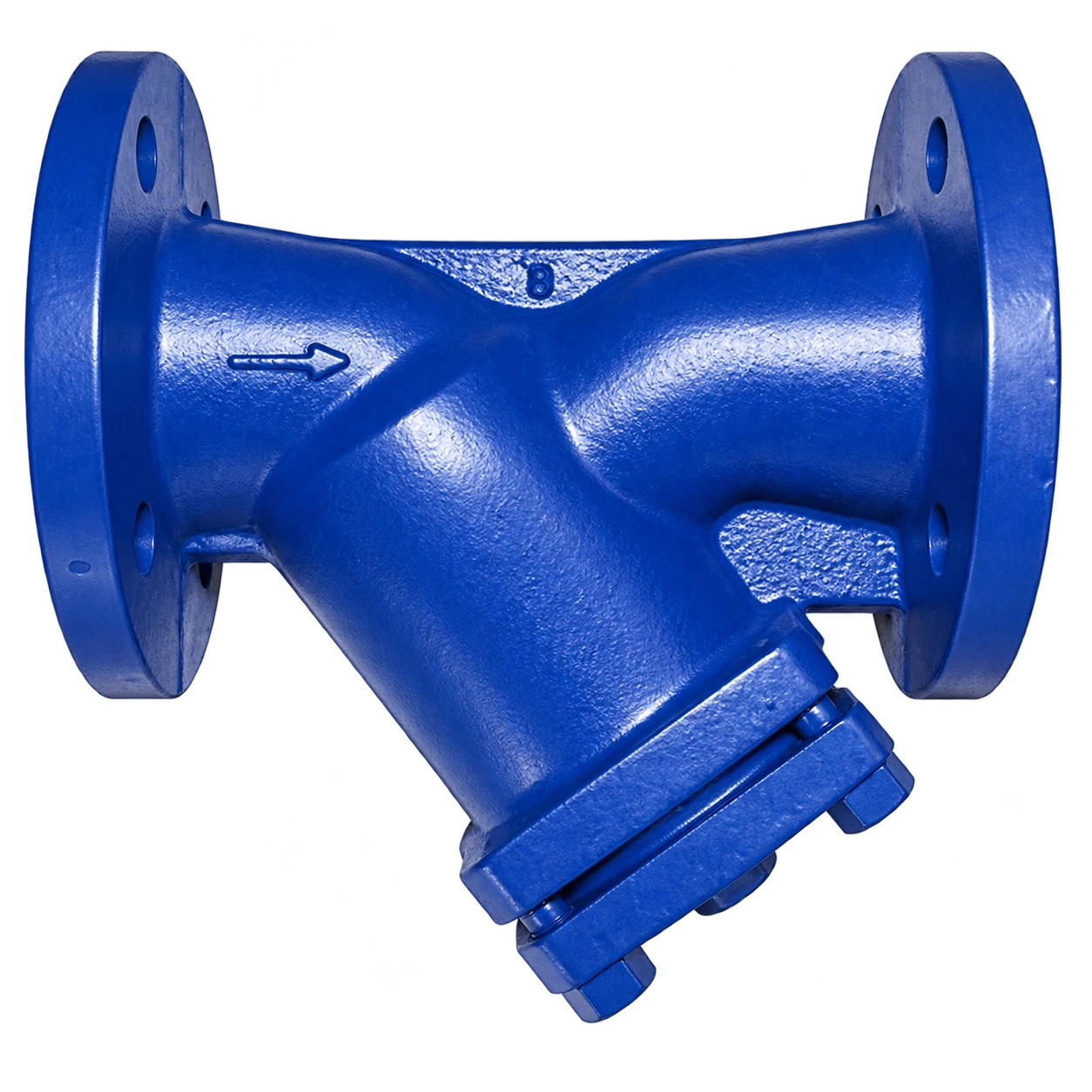
A Y strainer collects particles that its specified screen can retain. Review the screen opening against the equipment being protected and allow for pressure drop, cleaning and removal access; a strainer provides a different function from an isolation or check valve.

DUTY / 04

Reverse-flow protection

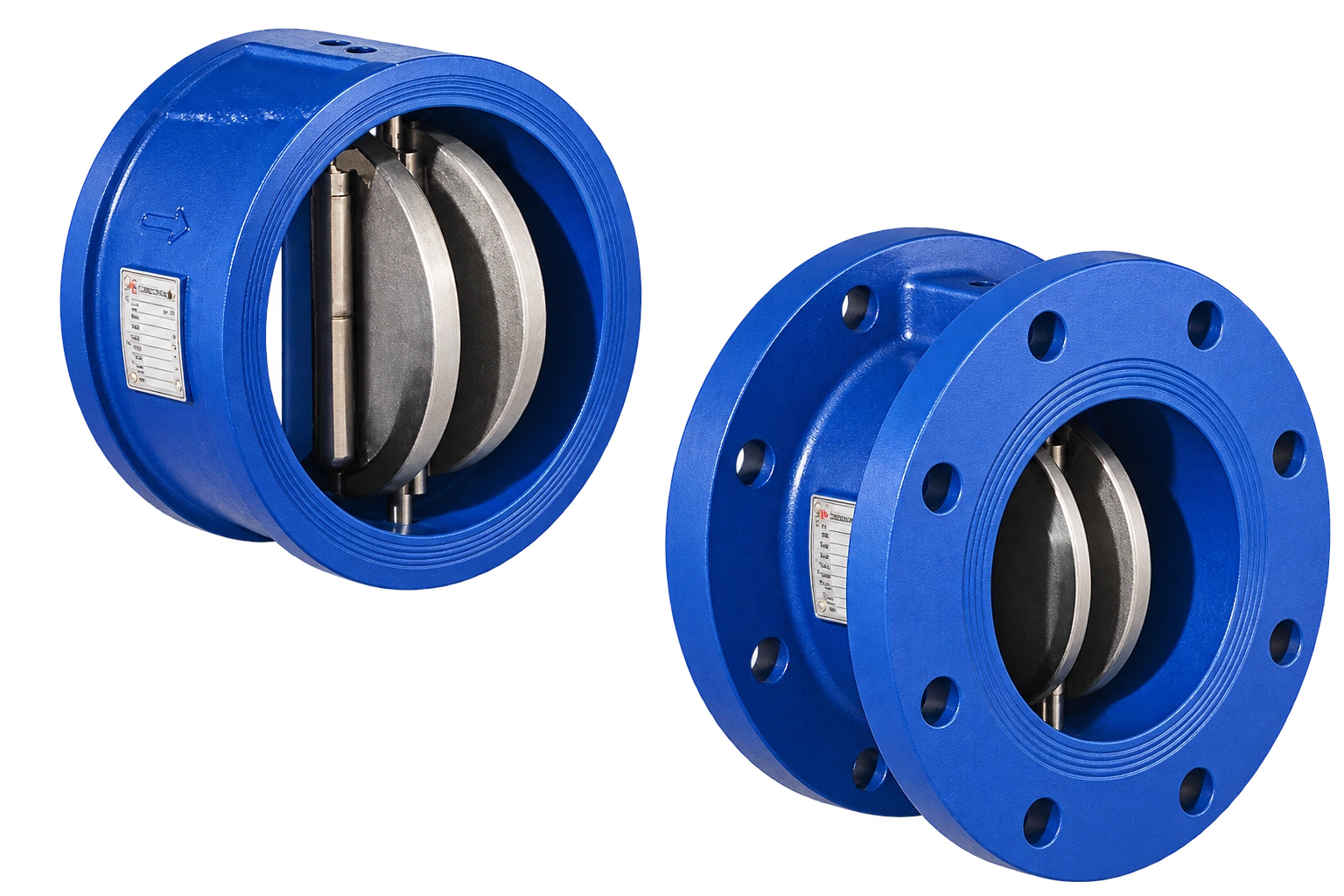
A dual-plate check-valve option may be reviewed for an appropriate pumped circuit. Include the operating flow range, orientation and shutdown conditions, then confirm the selected design's installation requirements and opening behaviour within the complete system.

SELECTION / LOOK BEYOND LINE SIZE

What the process
asks of the valve.

01

Additives affect material selection

A water circuit may contain glycol or treatment chemicals. Give the mixture and concentration as well as the temperature range so compatibility can be reviewed for the seat and seals.

02

Crowded plant rooms limit access

Insulation, nearby pipework and actuators can obstruct handles, gearboxes or strainer removal. Include an installation sketch that shows operating movement and cleaning access, rather than only the pipe-centre dimensions.

03

Pressure drop changes with operation

The circuit's flow range and accumulated debris affect its behaviour. Specify allowable pressure drop and the intended maintenance approach when reviewing strainers and check valves, especially around variable-flow equipment.

Materials and operation.
The complete assembly.

Body, trim, seals and actuation need to work together under your service conditions.

Define the temperature envelope

Include the full range encountered during operation and cleaning. Ask for the complete seat and seal combination to be reviewed for the fluid mixture and temperatures rather than choosing by body material alone.

Treat screen selection as a specification

For a strainer, identify the downstream equipment and the particle-retention requirement. Confirm the screen material and opening, pressure-drop information and cleaning arrangement for the actual product instead of assuming every Y strainer offers the same screen.

Make replacement dimensions measurable

For refurbishment, send the existing valve nameplate, measured face-to-face space, flange standard and photographs. Confirm the final assembly dimensions and operating clearance, including any insulation or nearby equipment that may affect access.

Explore the valves
behind the application.

Explore these catalogue configurations, compare their specifications and share your operating conditions with our team.

Gate, Globe & Check ValvesPV / 003
Y Type Strainer Valves

Review strainer options for suitable utility lines.

Y Type Strainer Valves

Size Range: 25mm to 600mm. Pressure Rating: #150.

Check ValvesPV / 004
Dual Plate Check Valve

Explore reverse-flow protection.

Dual Plate Check Valve

Size Range: 50mm to 600mm. Pressure Rating: PN16/ Class 150.

Final selection depends on the complete valve configuration, fluid compatibility and operating duty. Project-specific approvals and limits are confirmed with the quotation.

BEFORE YOU SPECIFY / PRACTICAL ANSWERS

More clarity.
A better next step.

Questions worth discussing for your hvac & infrastructure application.

Ask our team
Further technical reading
Are isolation valves also balancing valves?

Do not assume that an isolation valve provides calibrated balancing or flow-control performance. If the circuit needs a balancing or regulating function, state the required flow and control objective separately so an appropriate arrangement can be reviewed.

Does every Y strainer protect the same equipment?

No. Its screen opening, material and available area affect what it retains and the pressure drop it creates. Provide the downstream equipment's requirement and confirm the quoted screen together with cleaning access and the expected flow.

Can a water-rated valve be used with glycol?

That needs a review of the particular mixture, concentration and temperature range. Share those details and ask for the wetted materials, seat and seals of the proposed assembly to be confirmed for the service.

Let’s review
your application.

Share the medium, duty, size, connections and operating conditions.

Send the application brief

↑ ↓ to navigate · Enter to open · Esc to close

Company-supplied ISO certificate

Prestige Valves ISO 9001:2015 certificate

Certificate QCC/1902/0725 · issued 2 July 2025 · valid until 1 July 2028.