FLOW CONTROL / Power & utilities

Power & utilities.

Utility systems can include steam, condensate, cooling water and gas handling. Each service needs its own valve configuration and operating limits.

Discuss your application
Illustrative application context
ILLUSTRATIVE APPLICATION CONTEXT

Different duties.
Different demands.

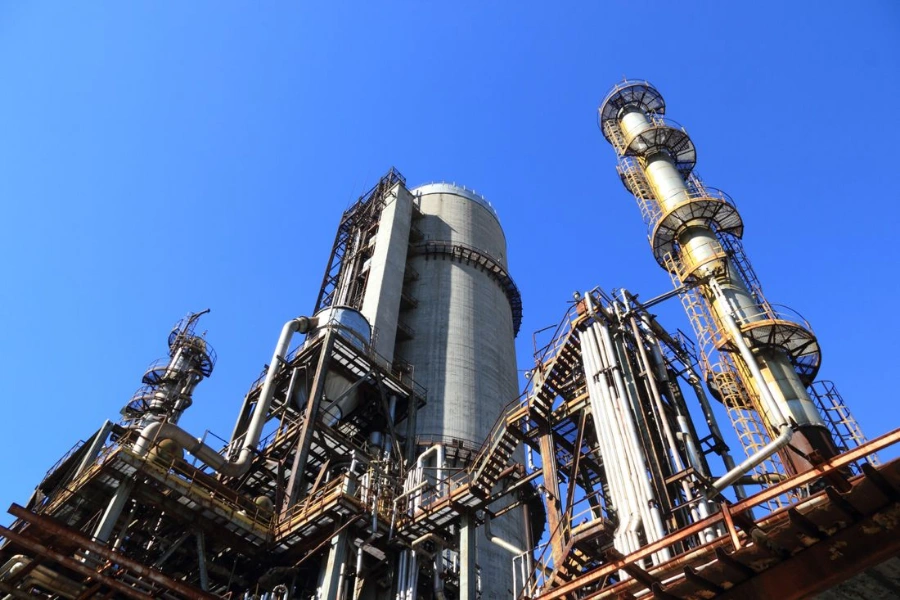
Power and utility systems combine services with very different operating conditions, from steam and condensate to cooling water and air or gas handling. Identify the individual line and its function, then review the complete valve assembly against the plant's operating range and project specification.

DUTY / 01

Steam and condensate isolation

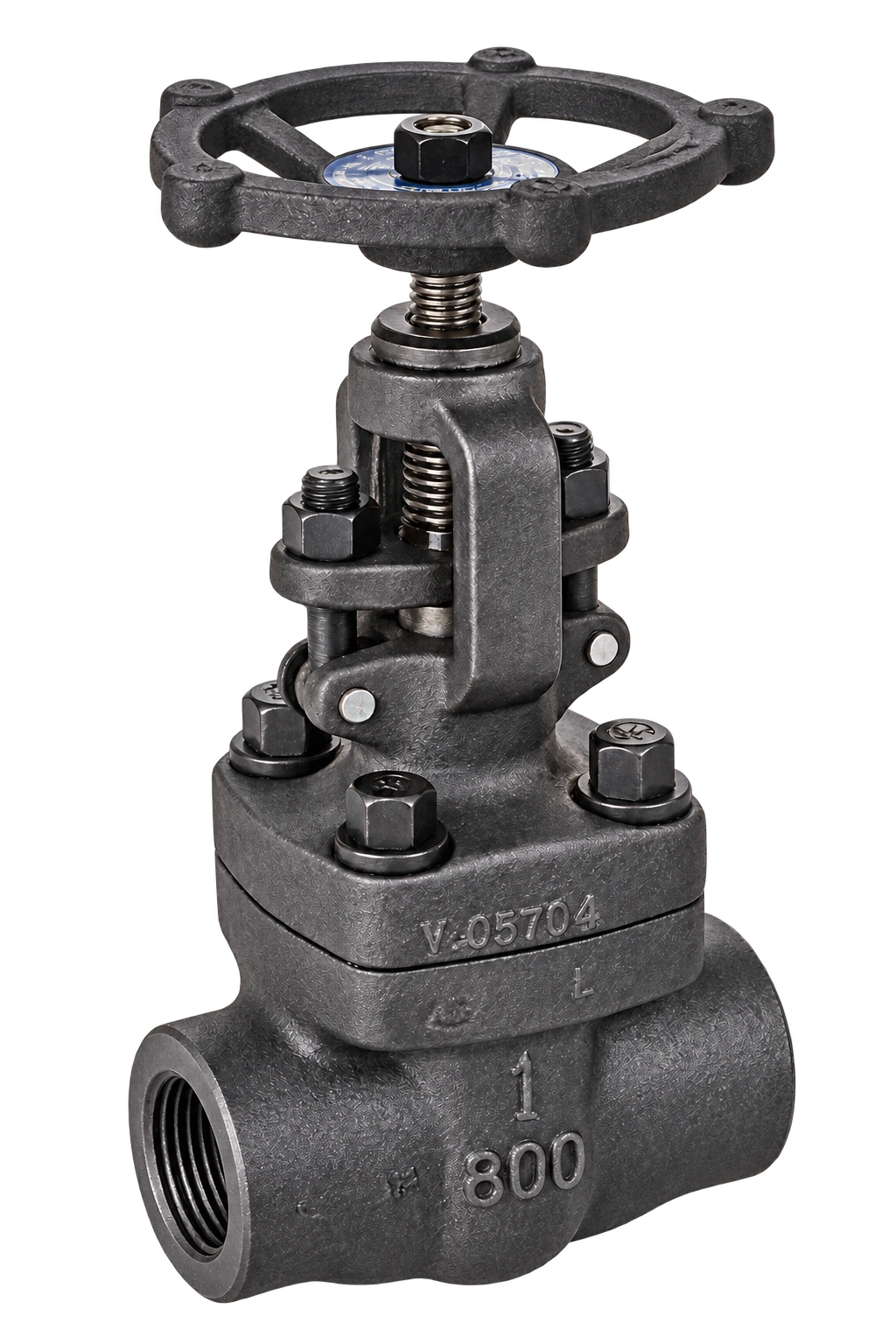
Review forged-steel globe or piston options for a defined utility isolation duty. Confirm the pressure-temperature rating, connection and materials of the quoted configuration; a pressure class or catalogue size range should not be treated as a universal steam-service rating.
DUTY / 02

Non-return protection in utilities

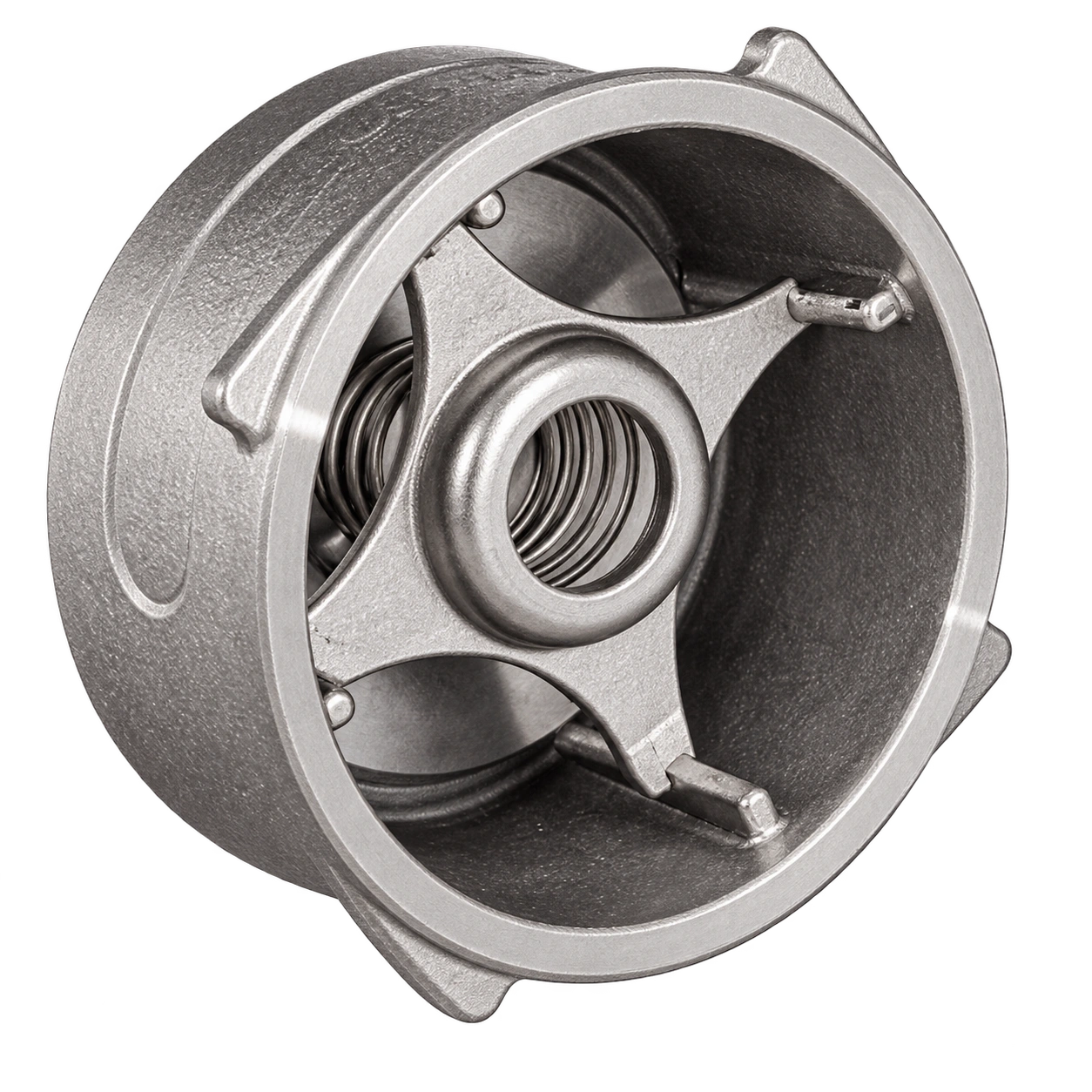
A check valve can limit reverse flow in a compatible utility line. Match the disc-check design to the medium, flow range, orientation and available pressure difference, with its seat arrangement and installation conditions confirmed for the specific service.

DUTY / 03

Cooling-water isolation

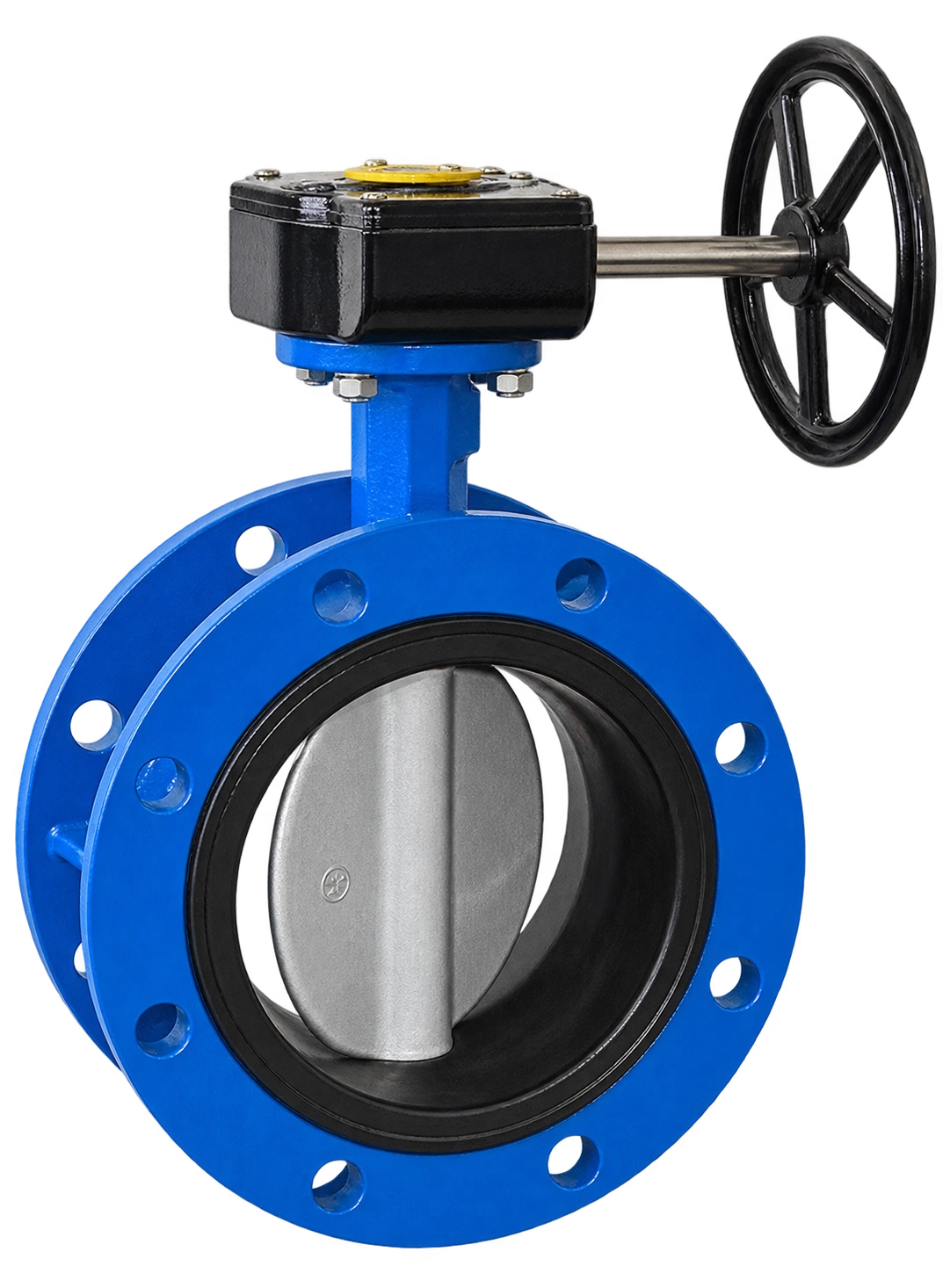
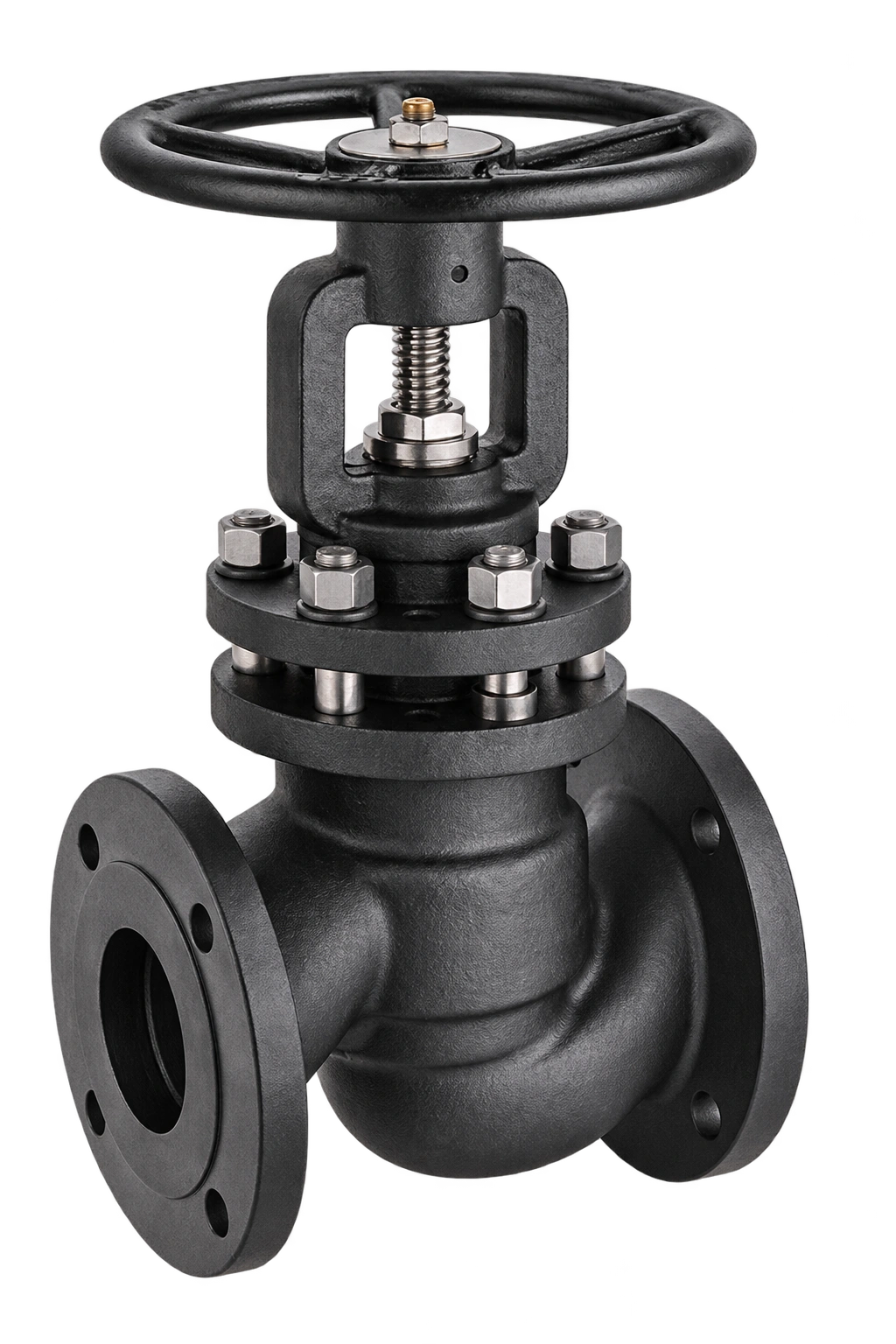
Cooling circuits need an isolation arrangement that fits the pipework and operating routine. Review a flanged butterfly option with the water chemistry, temperature, closing differential pressure and installation space, then define whether the line needs manual or remote operation.

DUTY / 04

Air and gas handling

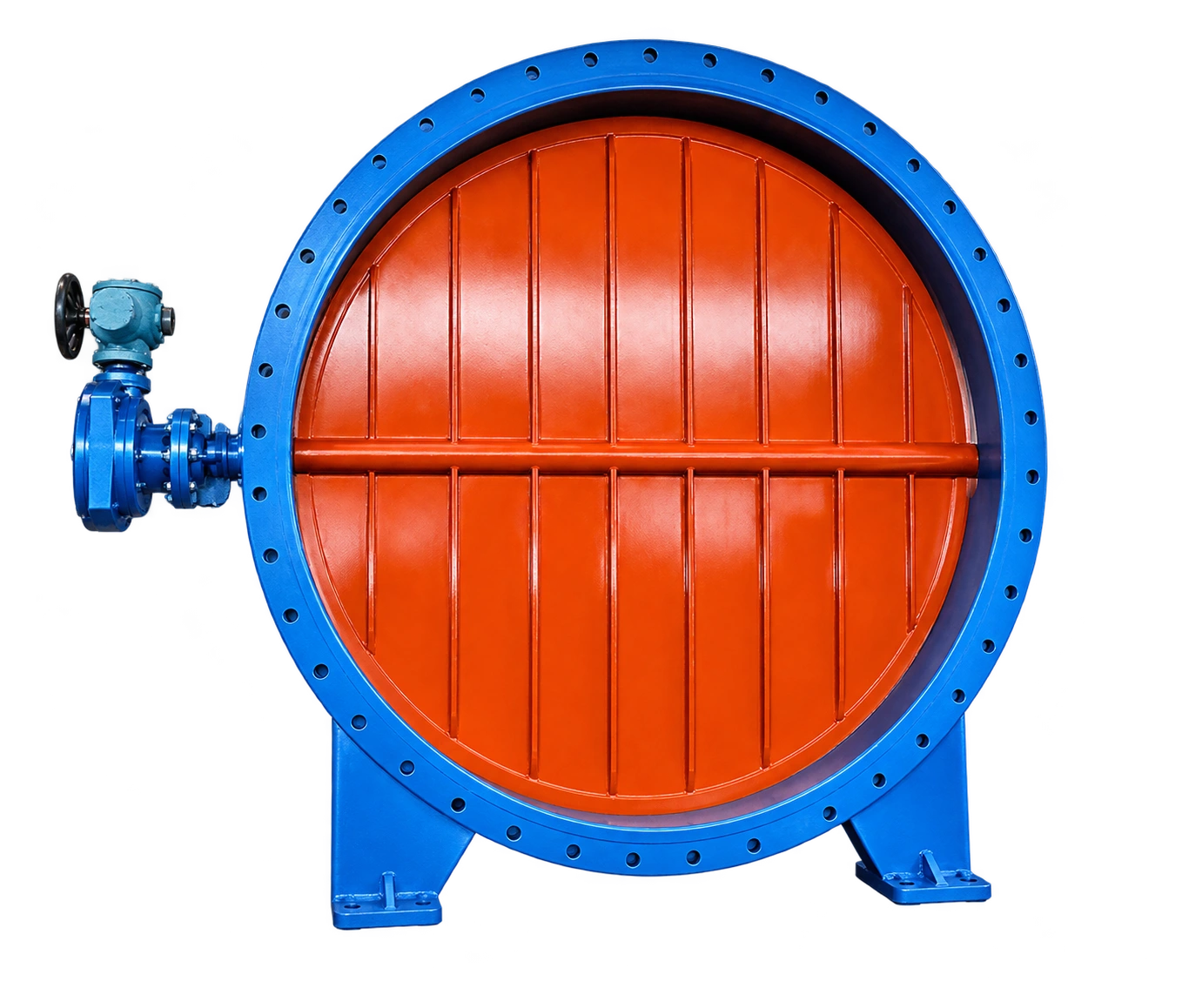
A damper may be reviewed for gas or air isolation or regulation where its design supports the stated duty. Specify the gas, dust content, temperature, duct dimensions and acceptable leakage; do not infer pressure-valve performance from the damper's nominal size.

SELECTION / LOOK BEYOND LINE SIZE

What the process
asks of the valve.

01

Startup can differ from steady operation

Include startup, shutdown and maximum conditions as well as normal operation. The temperature and pressure the assembly sees through a cycle matter when reviewing its materials, seals and operating arrangement.

02

Function affects the flow path

A conventional gate or piston isolation valve should not be assumed to suit throttling. Define any regulating duty separately, including the flow range and allowable pressure drop, before choosing the operating mechanism.

03

One plant has several specifications

Cooling water, steam, condensate and gas lines may require different materials and inspection documents. Reference the relevant line specification in each enquiry instead of applying one valve selection across the entire plant.

Materials and operation.
The complete assembly.

Body, trim, seals and actuation need to work together under your service conditions.

Use the assembly's operating envelope

Body material, trim and sealing components must be considered together. Ask for the quoted assembly's permissible conditions to be confirmed against the line specification instead of relying on a pressure-class label in isolation.

Check direction and installation

Confirm flow direction, mounting orientation and space for movement or servicing. These details are particularly useful for non-return devices and linear-stem valves, where the intended installation is part of the selection discussion.

Define remote operation clearly

For automation, specify site power or instrument air, operating frequency, position feedback and the required response to utility loss. Confirm the valve and actuator arrangement together, including local access and any requested manual operating provision.

Explore the valves
behind the application.

Explore these catalogue configurations, compare their specifications and share your operating conditions with our team.

Gate, Globe & Check ValvesPV / 001
Forged Steel Globe Valve

Review globe valve options for suitable utility duties.

Forged Steel Globe Valve

Size Range: 15mm-50mm. Pressure Rating: #150 to #2500.

Gate, Globe & Check ValvesPV / 002
Piston Valve

Explore on/off isolation configurations.

Piston Valve

Size Range: 15mm-50mm. Pressure Rating: #150, #150, #800.

Check ValvesPV / 003
Disc Check Valve

Explore reverse-flow protection in compatible lines.

Disc Check Valve

Size Range: 15mm to 200mm. Pressure Rating: PN40.

Steel Industry ValvesPV / 004
Butterfly Damper Single Plate

Review a damper for gas or air handling.

Butterfly Damper Single Plate

Size Range: 40mm to 1800mm. Operation: Worm Gear/ Electric Actuator.

Final selection depends on the complete valve configuration, fluid compatibility and operating duty. Project-specific approvals and limits are confirmed with the quotation.

BEFORE YOU SPECIFY / PRACTICAL ANSWERS

More clarity.
A better next step.

Questions worth discussing for your power & utilities application.

Ask our team
Further technical reading
Can I select a steam valve from pressure class alone?

No. Temperature, materials, seals, connection and the complete configuration also matter. Supply the line specification and normal and maximum conditions, then ask for the operating envelope of the quoted assembly to be confirmed.

Can a piston isolation valve be left partly open to control flow?

A conventional piston isolation valve is intended for fully open or closed operation. If flow regulation is required, state that duty explicitly so the team can review a valve configuration and operating arrangement intended for regulation.

What is the difference between a gas damper and a liquid-line valve?

Their medium, construction and leakage requirements can differ substantially. A gas or air damper must be reviewed against its own duty and operating limits. It should not be substituted for a pressure-rated liquid valve based on similar dimensions.

Let’s review
your application.

Share the medium, duty, size, connections and operating conditions.

Send the application brief

↑ ↓ to navigate · Enter to open · Esc to close

Company-supplied ISO certificate

Prestige Valves ISO 9001:2015 certificate

Certificate QCC/1902/0725 · issued 2 July 2025 · valid until 1 July 2028.