FLOW CONTROL / Food & beverage utilities

Food & beverage utilities.

Food and beverage plants rely on water, cooling and air utilities as well as dedicated product-contact systems. Start by identifying whether the valve handles a utility or the food product itself.

Discuss your application
Illustrative application context
ILLUSTRATIVE APPLICATION CONTEXT

Different duties.
Different demands.

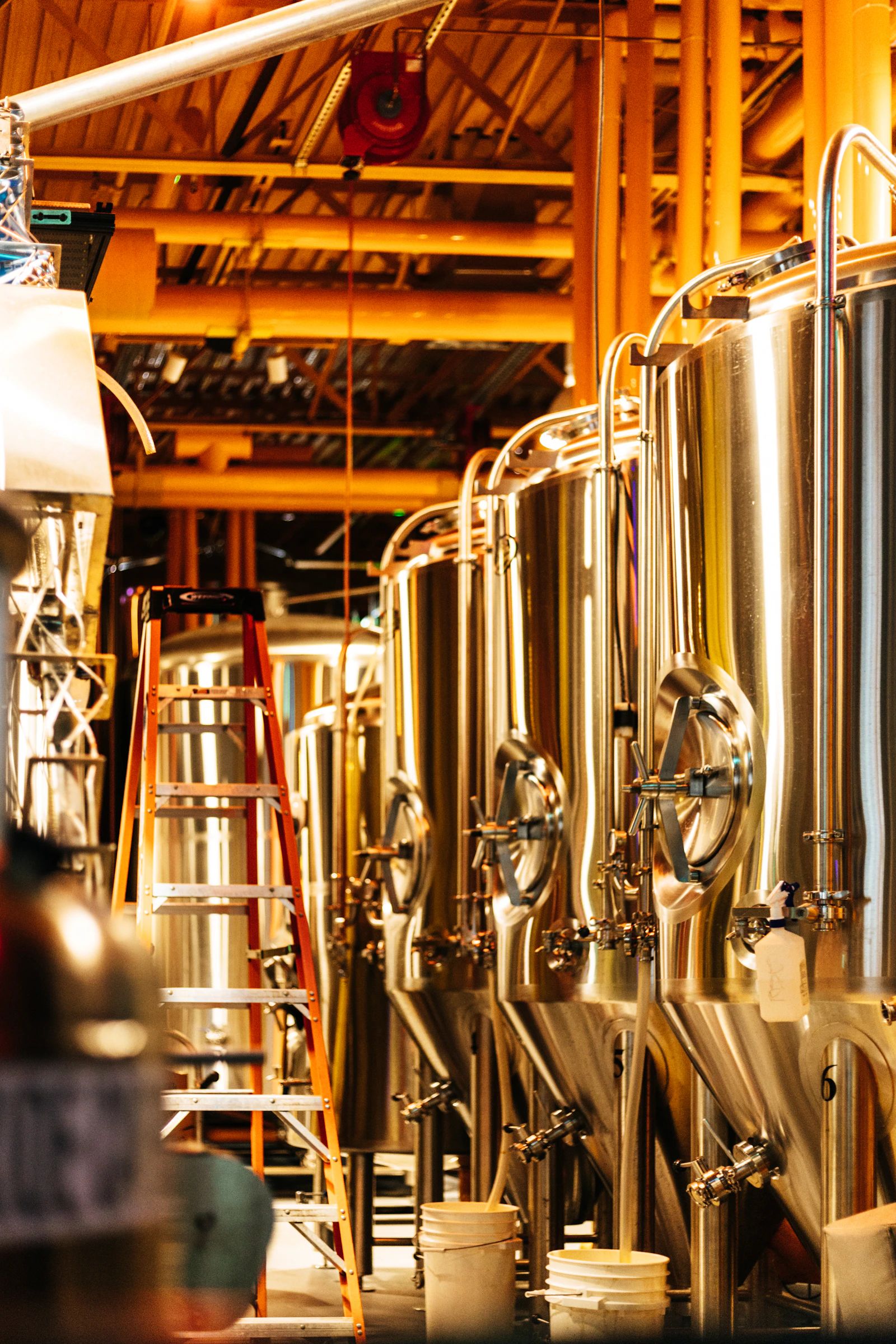
Food and beverage plants depend on utilities that support production, including cooling water, air and other defined service lines. This application page focuses on those plant utilities; direct food contact, hygienic processing and cleaning systems require their own design and documentation review.

DUTY / 01

Cooling-water and compatible utilities

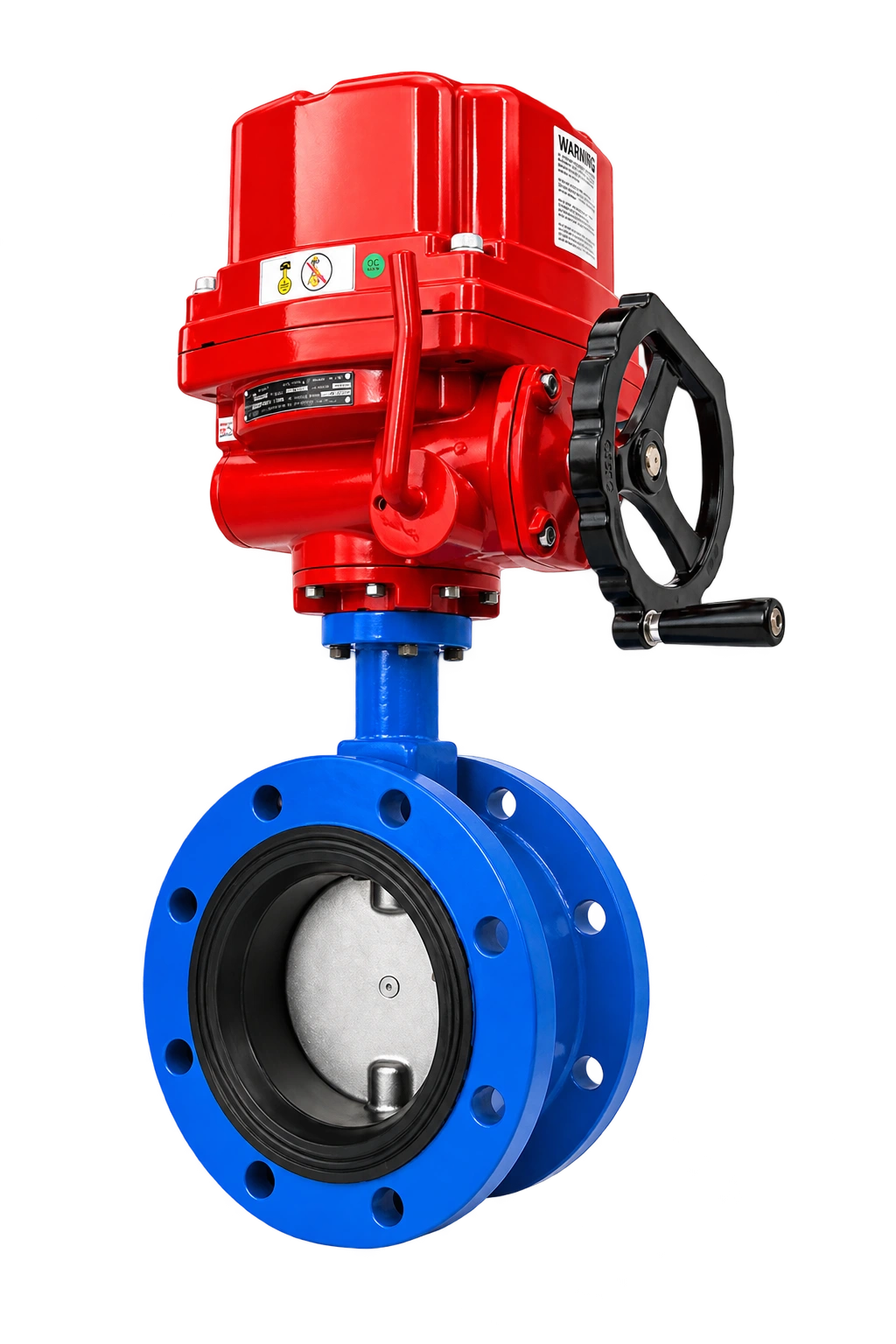
An electrically operated butterfly valve can be reviewed for an appropriate plant-utility isolation duty. Specify the medium, treatment additives, pressure and temperature range, then confirm materials, operating torque and the electrical arrangement for the proposed valve-actuator assembly.
DUTY / 02

Automated utility switching

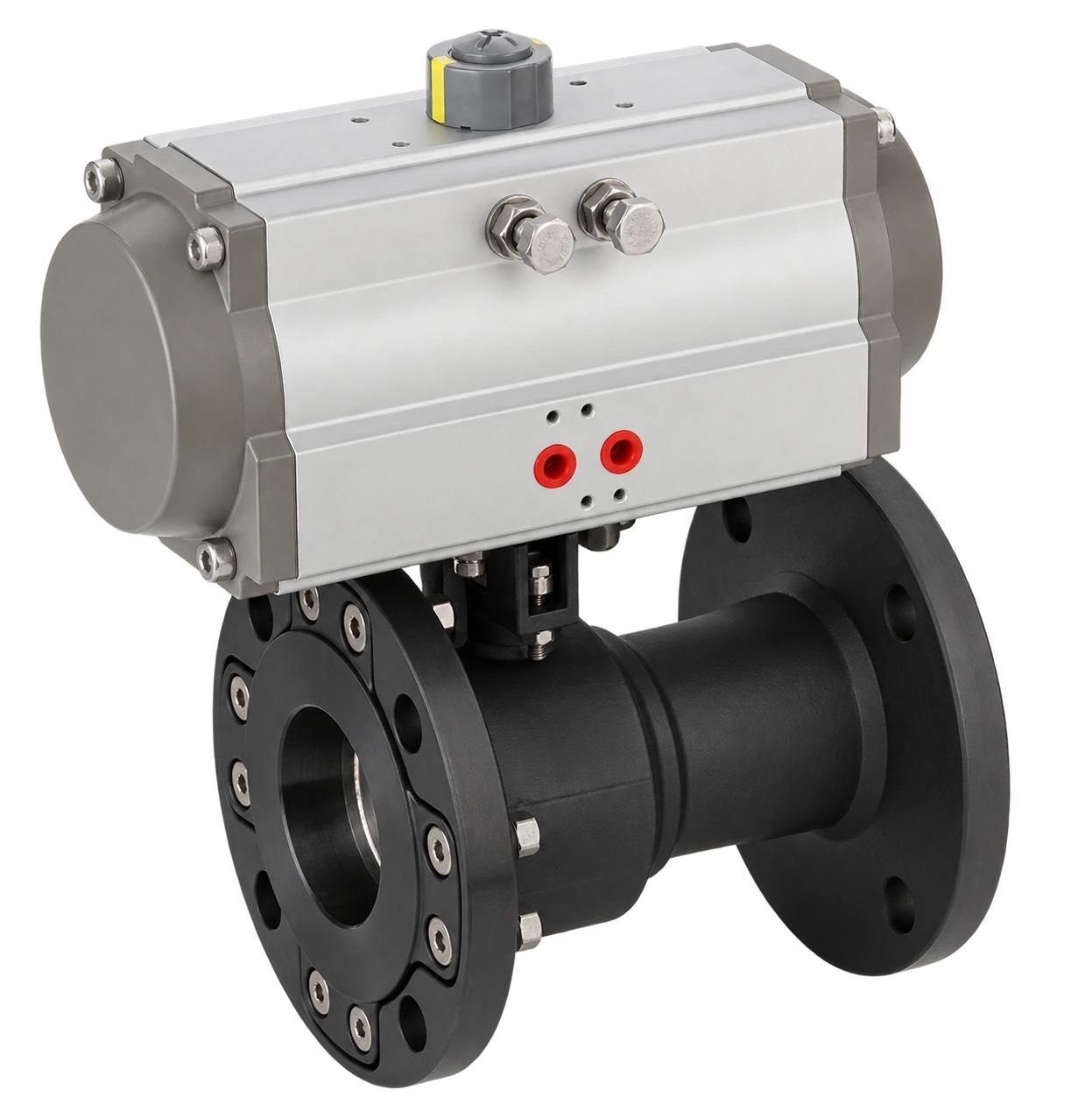
A pneumatic ball-valve option can be discussed for a defined utility line that needs repeated on/off operation. Give cycle frequency, available air, position indication and the required response to utility loss; suitability must be confirmed for the specific medium and configuration.

DUTY / 03

Local service-line isolation

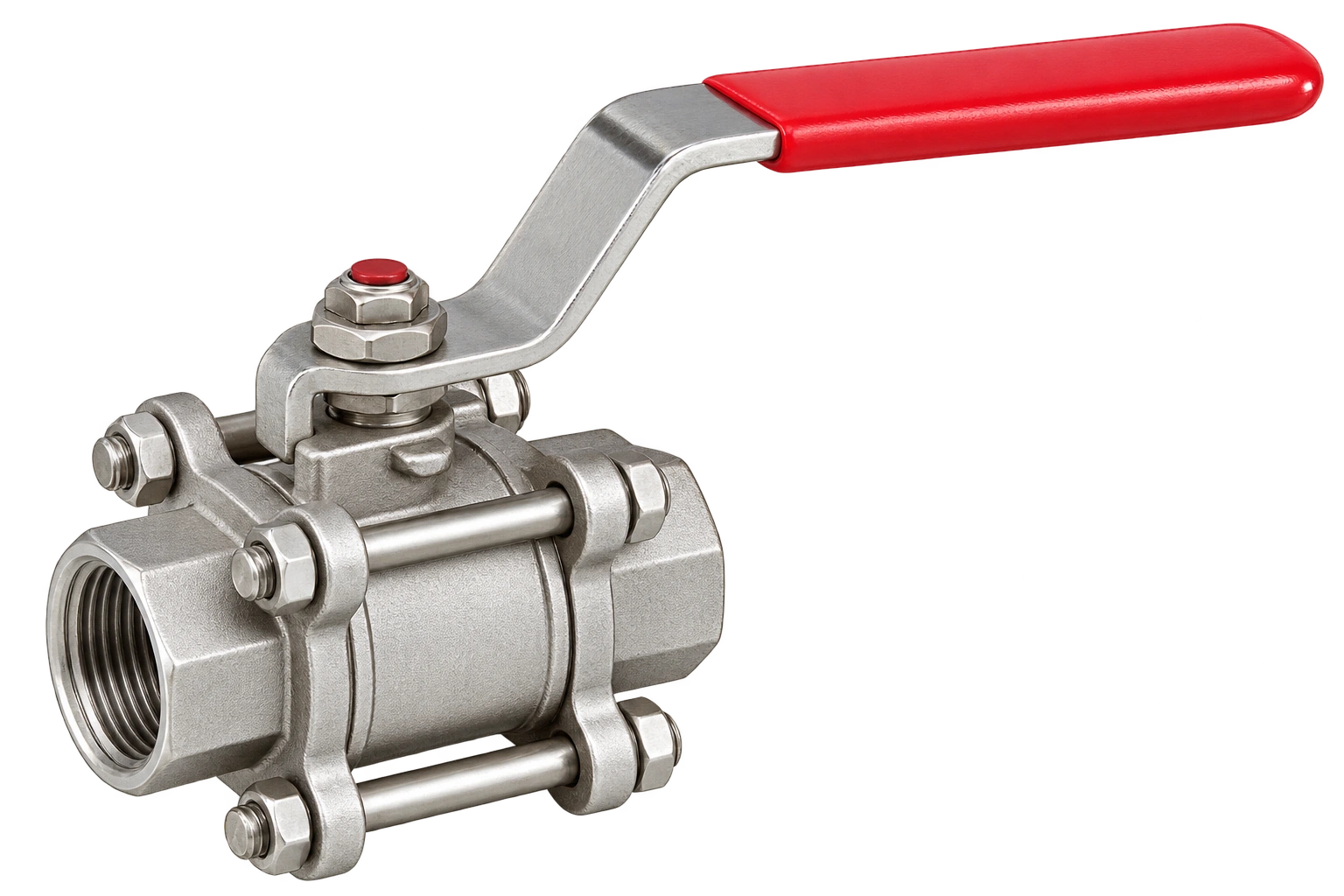
The screwed or socket-weld ball-valve listing offers connection options to review for compatible plant services. Confirm the connection, maintenance approach, fluid and operating limits. These industrial connections and a stainless-steel material option do not establish a hygienic product-contact design.

SELECTION / LOOK BEYOND LINE SIZE

What the process
asks of the valve.

01

Utilities differ from product contact

A valve in a cooling loop is not specified in the same way as one handling food, beverage or an ingredient. Mark the duty clearly so the review begins with the correct design and evidence requirements.

02

Cleaning can reach the assembly

External washdown and cleaning chemicals can affect the actuator and enclosure. If cleaning fluid also passes through the valve, provide its composition, temperature and cycle separately from normal operation.

03

Automation supports a process sequence

A production sequence may need confirmation that a utility valve has moved as intended. Define the control signal, feedback and failure response together, rather than treating the valve-open command as proof of actual position.

Materials and operation.
The complete assembly.

Body, trim, seals and actuation need to work together under your service conditions.

Material grade is only one consideration

A stainless-steel body does not by itself establish cleanability, hygienic geometry or approval for food contact. Where the valve contacts product, specify the required design, materials and evidence, then ask for a configuration that meets that brief.

Review the surrounding environment

Describe humidity, washdown method and cleaning chemicals around the valve. Confirm the actuator, electrical components and enclosure protection for those conditions as well as the fluid-contact materials inside the valve.

Keep control requirements explicit

Provide site air or power, switching frequency and the required feedback. State the intended action on loss of utilities and ask for the complete operating arrangement to be confirmed; fail-close or fail-open behaviour should not be assumed.

Explore the valves
behind the application.

Explore these catalogue configurations, compare their specifications and share your operating conditions with our team.

Automated ValvesPV / 002
Pneumatic Operated Ball Valve

Explore pneumatic on/off operation.

Pneumatic Operated Ball Valve

Size Range: 25mm to 300mm. Pressure Rating: Class 150/ Class 300.

Final selection depends on the complete valve configuration, fluid compatibility and operating duty. Project-specific approvals and limits are confirmed with the quotation.

BEFORE YOU SPECIFY / PRACTICAL ANSWERS

More clarity.
A better next step.

Questions worth discussing for your food & beverage utilities application.

Ask our team
Further technical reading
Are the valves shown here approved for direct food contact?

This page presents catalogue options for reviewing plant-utility duties. It does not establish food-contact approval. For product-contact service, provide the specific hygienic design and documentation requirements and request confirmation of a suitable configuration before selection.

Can a general industrial ball valve be used in a cleaning-in-place circuit?

That needs a separate review of the cleaning process, chemistry, temperature and required cleanability. Do not infer cleaning-in-place suitability from a stainless-steel body or an automated actuator. Describe the actual cleaning and hygiene requirements in the enquiry.

What should we send for a food-plant utility quotation?

Identify the utility and whether it contacts product, then add the fluid, operating range, quantity, connection and automation requirements. Include external washdown conditions and any required project documents so the valve and actuator can be reviewed as a complete package.

Let’s review
your application.

Share the medium, duty, size, connections and operating conditions.

Send the application brief

↑ ↓ to navigate · Enter to open · Esc to close

Company-supplied ISO certificate

Prestige Valves ISO 9001:2015 certificate

Certificate QCC/1902/0725 · issued 2 July 2025 · valid until 1 July 2028.