FLOW CONTROL / Water & wastewater

Water & wastewater.

Water treatment and distribution need line isolation and reverse-flow protection. Solids-bearing wastewater introduces a different duty from clean water.

Discuss your application
Illustrative application context
ILLUSTRATIVE APPLICATION CONTEXT

Different duties.
Different demands.

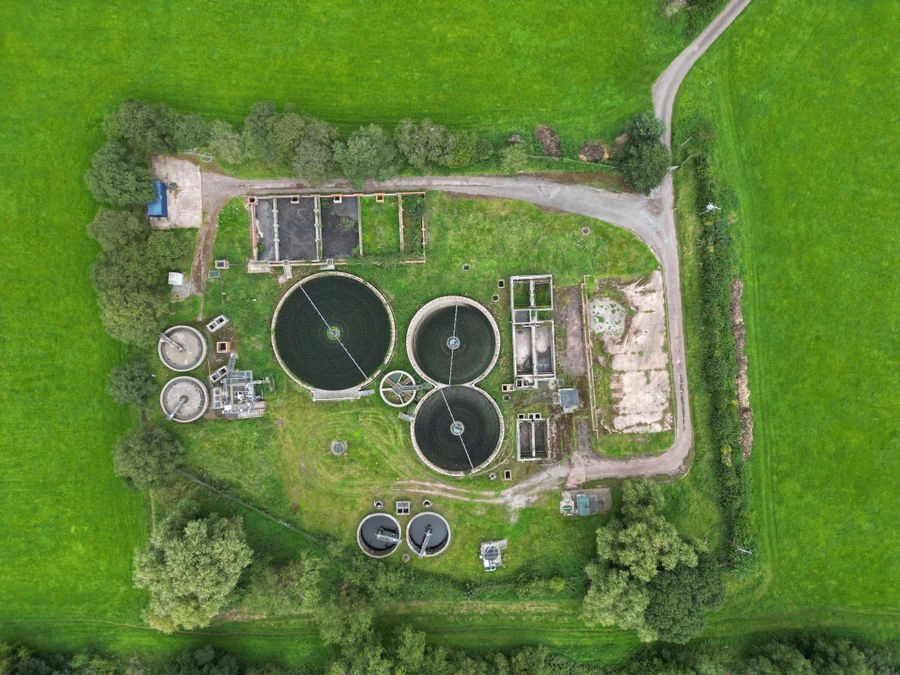
A water system can move from raw-water intake to treatment, distribution and wastewater handling, with a different valve duty at each stage. Begin with the stream and operating conditions so clean-water isolation, pump non-return service and sludge shut-off can be reviewed separately.

DUTY / 01

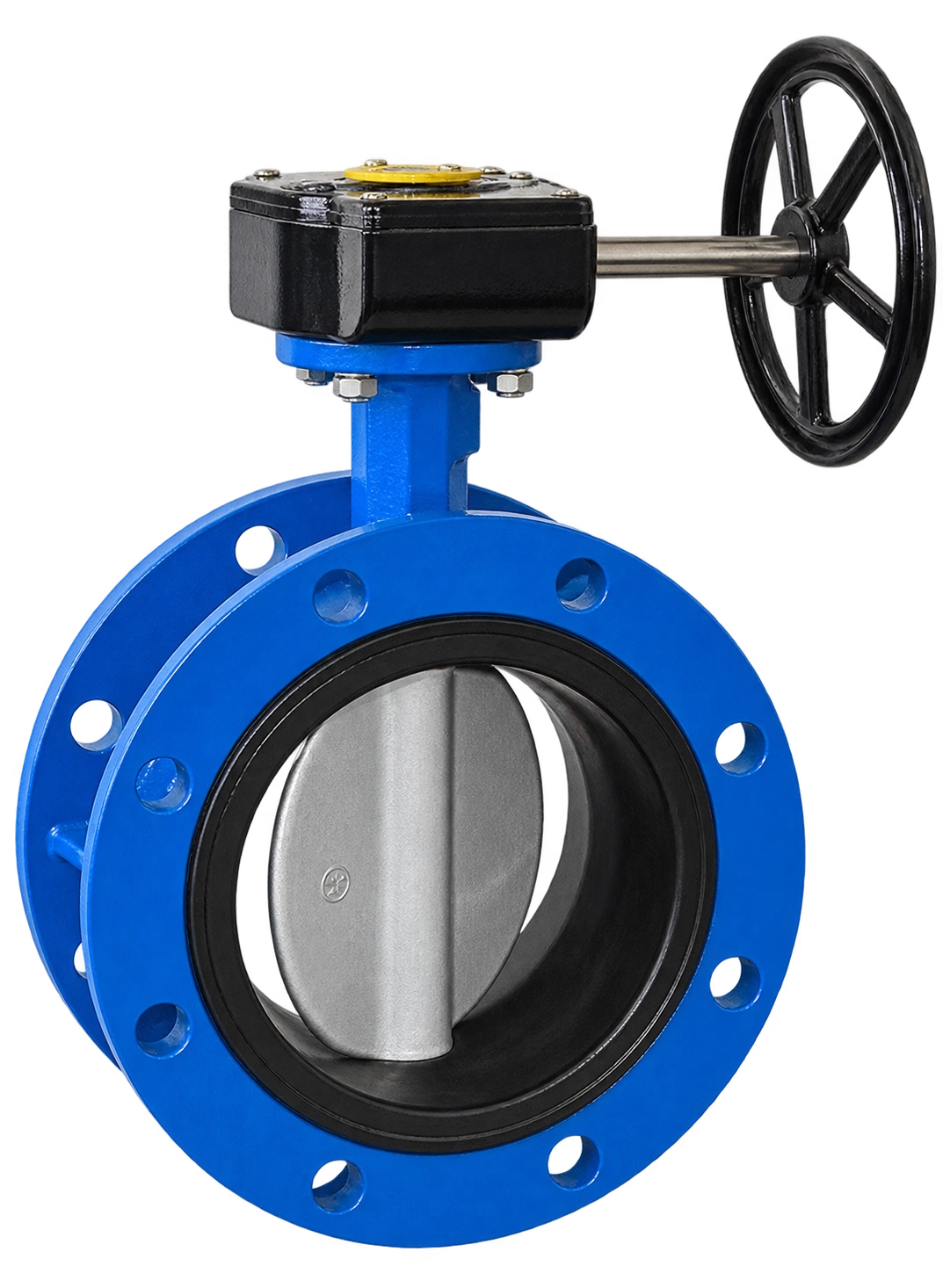
Treatment and distribution isolation

An isolation valve allows a line or item of equipment to be taken out of service. For larger water pipelines, review the butterfly valve configuration alongside connection dimensions, available operating space and the differential pressure it must close against; line size alone does not complete the specification.
DUTY / 02

Pump discharge and reverse flow

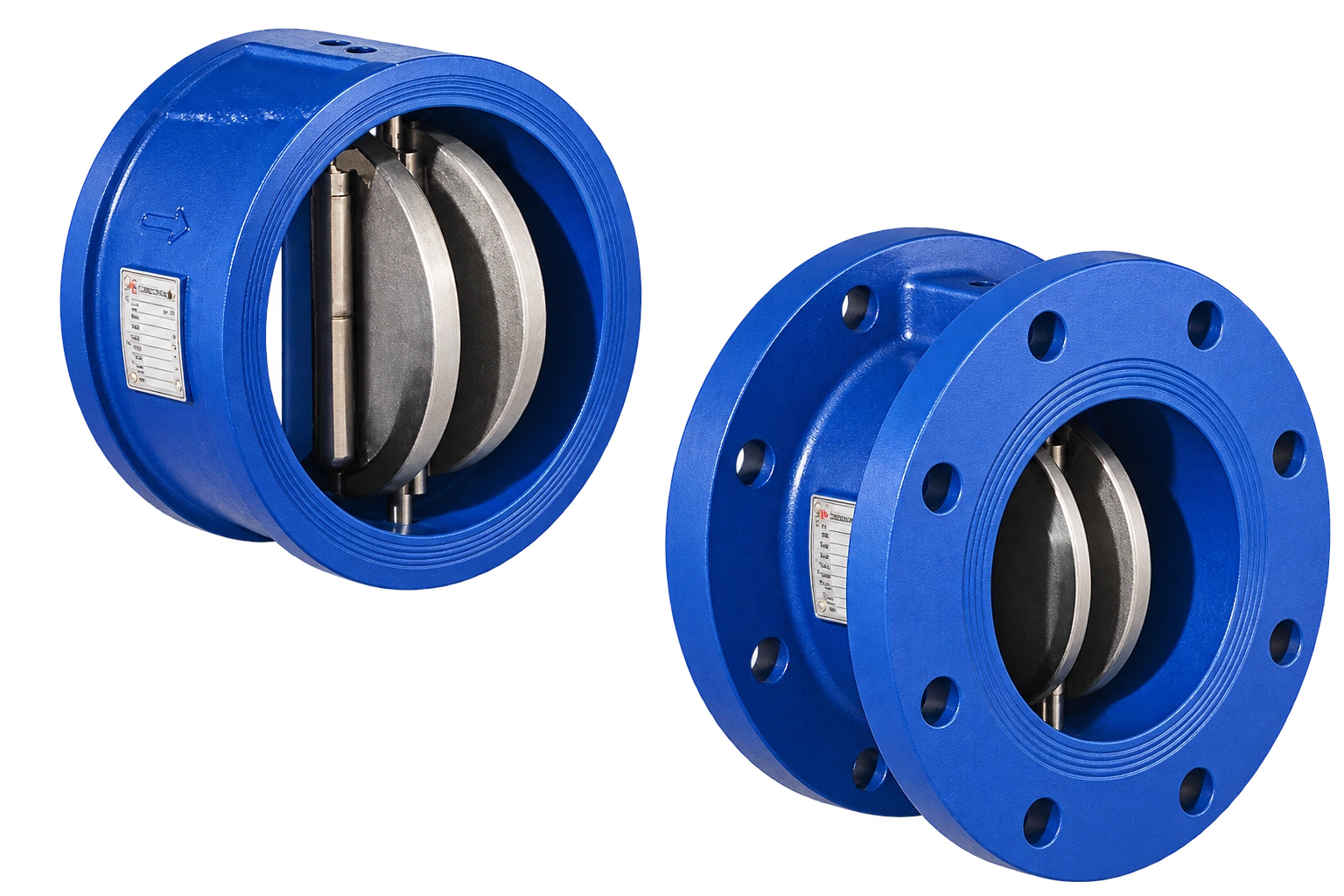
A check valve opens with forward flow and closes when that flow reverses. Review the actual flow range, installation direction and pump shutdown behaviour before selecting a dual-plate configuration; reverse-flow protection and system surge control need to be considered together.

DUTY / 03

Sludge and suspended solids

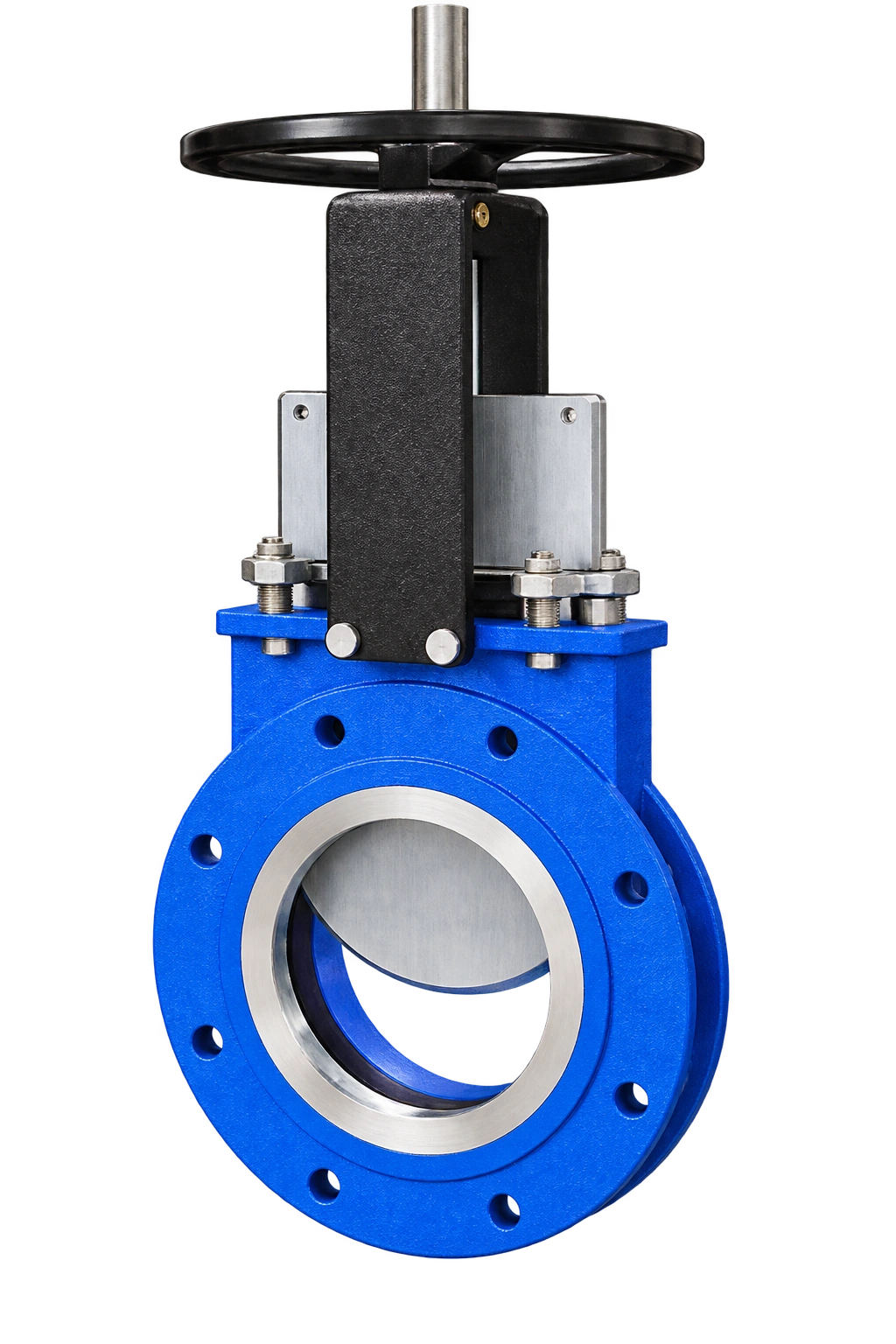
Wastewater can contain fibres, grit and settled solids that change the shut-off duty. A knife gate is an option to discuss when these materials are present, with the seat, gate, packing and actuator reviewed against the stream and required sealing direction.

SELECTION / LOOK BEYOND LINE SIZE

What the process
asks of the valve.

01

The stream changes

Raw water, treated water and sludge have different contaminants. Include normal conditions and any seasonal or process-related changes when describing the service, rather than specifying only a general water duty.

02

Closure and surge

A pump trip or rapid change in flow can create transient conditions. Give the project team the shutdown sequence and hydraulic information so valve closure behaviour can be reviewed within the complete system.

03

Access after installation

A chamber or compact plant room can limit gearbox movement, actuator clearance and maintenance access. An installation sketch helps reveal practical constraints before the assembly is selected.

Materials and operation.
The complete assembly.

Body, trim, seals and actuation need to work together under your service conditions.

Review every wetted component

Body, disc or gate, seat and seals all interact with the stream. Identify treatment chemicals, cleaning fluids and solids, then ask for the complete material combination to be confirmed against those conditions.

Make the actuator part of the enquiry

Manual gearing and automation create different space, power and control requirements. Share accessibility, operating frequency and any remote indication needed so the valve and operating arrangement can be reviewed as one assembly.

Specify drinking-water requirements

For potable service, include the project's required material and approval documents at enquiry stage. A catalogue material option or an approval held by another manufacturer does not establish approval for the Prestige assembly being quoted.

Explore the valves
behind the application.

Explore these catalogue configurations, compare their specifications and share your operating conditions with our team.

Check ValvesPV / 002
Dual Plate Check Valve

Explore reverse-flow protection in compatible pumped lines.

Dual Plate Check Valve

Size Range: 50mm to 600mm. Pressure Rating: PN16/ Class 150.

Knife Edge Gate ValvesPV / 003
Knife Edge Gate Valve Flanged Ends

Review knife gate options for solids-bearing isolation.

Knife Edge Gate Valve Flanged Ends

Size Range: 40mm to 600mm Pressure Rating: PN10/ PN16.

Final selection depends on the complete valve configuration, fluid compatibility and operating duty. Project-specific approvals and limits are confirmed with the quotation.

BEFORE YOU SPECIFY / PRACTICAL ANSWERS

More clarity.
A better next step.

Questions worth discussing for your water & wastewater application.

Ask our team
Further technical reading
Can I use the same valve specification for clean water and sludge?

Do not assume so. Sludge brings solids and possible fibre accumulation into the duty. Share solids content, contaminants and operating frequency so the flow path, seat arrangement and operating force can be reviewed for that stream.

Will a check valve solve every water-hammer problem?

No. Check-valve behaviour is one part of the hydraulic system. Selection needs the pump, flow and shutdown conditions; the project engineer should review the wider surge behaviour rather than treating any non-return valve as a universal solution.

What helps when replacing an existing water valve?

Send the nameplate, photographs, connection standard and measured face-to-face space, together with operating conditions. Include the reason for replacement, such as leakage, difficult operation or solids buildup, so the new enquiry addresses the actual duty.

Let’s review
your application.

Share the medium, duty, size, connections and operating conditions.

Send the application brief

↑ ↓ to navigate · Enter to open · Esc to close

Company-supplied ISO certificate

Prestige Valves ISO 9001:2015 certificate

Certificate QCC/1902/0725 · issued 2 July 2025 · valid until 1 July 2028.